
Chemical flush
for central heating.
A chemical flush circulates a cleaning product through your existing heating system to help loosen sludge and deposits before the system is drained, rinsed and treated. We assess your system and advise whether a chemical flush, a power flush or something else is suitable.
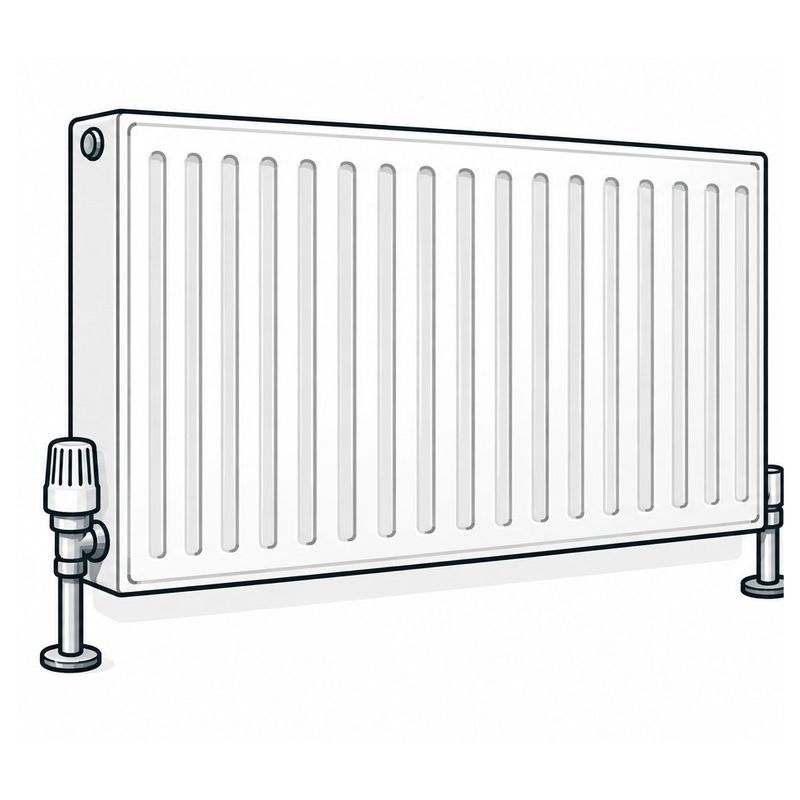
What a chemical flush involves
A chemical flush uses a cleaning product, added to the water in your existing heating system and circulated through it, to help loosen sludge, rust and other deposits. The system is then drained, rinsed and refilled. The exact steps depend on the system, the boiler manufacturer’s requirements and the product instructions, but typically include:
- Assessment of the system, its symptoms and any previous cleaning or treatment.
- Choosing a suitable cleaning product for the materials in your system and the boiler.
- Circulating the cleaner through the heating circuit for the period the product requires.
- Draining and rinsing until the water runs acceptably clear.
- Refilling and adding inhibitor to help protect the clean system.
- Advising on filtration, servicing and anything the flush has uncovered.
When a chemical flush may be suitable
A chemical flush may be worth considering where a system is generally sound but contamination is building up. Signs that can point that way include:
- Radiators that are cold at the bottom or slow to warm up.
- Dirty or black water when a radiator is bled.
- A noisy boiler or pump, or repeated pump or boiler faults.
- Frequent need to bleed radiators.
These symptoms also have other causes, so a cleaning method should only be chosen after the system has been assessed.
Chemical flush or power flush?
The two methods use different equipment and suit different conditions.
- Chemical flush: a cleaner is circulated at normal system flow. It can suit systems with lighter or moderate contamination that are otherwise in sound condition.
- Power flush: a pump unit is connected to the system to circulate water at much higher flow, often in both directions, usually with chemicals. It is a more intensive method and is not suitable for every system.
Neither method is automatically better, and neither guarantees that circulation, sludge or performance problems will be resolved. See our power flushing page and our guide to central heating system flushing.
Limits of a chemical flush
A chemical flush will not be the right answer for every system. Further investigation, a different cleaning method or a repair may be needed where there is:
- Heavy sludge or blockage, or a radiator that stays cold after cleaning attempts.
- Leaking or weeping joints, corroded radiators or pipework. Cleaning can reveal existing weaknesses, and we discuss that before work starts.
- A failed pump, valve, thermostatic radiator valve or control.
- Microbore or otherwise restricted pipework, which can need a different approach.
- Scale on the hot-water side, which is a different question from treating the sealed heating circuit.
A flush cannot repair worn or damaged components, and cleaning results and savings cannot be guaranteed.
After the flush
Fresh inhibitor helps protect the cleaned system. A magnetic filter can help collect magnetic debris, and regular boiler servicing helps keep the system in good order. We can advise what is suitable for your system.
What happens after you request a quotation
- You send us the details through the quotation request: boiler type, radiator count, symptoms, previous cleaning or treatment, any known leaks or problems, and access.
- We review the information and advise whether a quotation can be provided remotely or an on-site survey is required.
- If an on-site survey carries a charge, we confirm the cost and you agree it before booking.
- You receive a written quotation that sets out the method proposed, what is included and the price, before any work is agreed.
Requesting a quotation online is free. We review the information you send and advise whether a quotation can be provided remotely or an on-site survey is required. Any applicable on-site survey charge is confirmed and agreed before you book.
Frequently asked questions
Is a chemical flush the same as a power flush?
No. Both use cleaning chemicals, but they are different methods. A chemical flush circulates a cleaner through the existing system at normal system flow. A power flush connects a pump unit to the system to circulate water at higher flow, often reversing the direction. The method is chosen after assessment, and they are not interchangeable.
Will a chemical flush fix cold radiators?
Not necessarily. Cold radiators can be caused by sludge, but also by air, valves, balancing, a failing pump or other faults. A chemical flush can help where contamination is the cause, but it cannot repair worn components or guarantee a result.
How long does a chemical flush take?
It depends on the size and condition of the system and the cleaning product used, following the manufacturer’s instructions. We confirm what is proposed in your written quotation.
Is requesting a quotation free?
Yes. We review the information you send and advise whether a quotation can be provided remotely or an on-site survey is required. Any applicable on-site survey charge is confirmed and agreed before you book.
Related
More about cleaning and protecting a heating system:
Areas we cover
We assess and quote for heating-system cleaning across these East and North London areas. Coverage depends on the full postcode, which we confirm when you request a quotation. The postcode districts shown on each area page are a guide only.
- Barking: Barking, Eastbury, Upney
- Barkingside: Barkingside
- Beckton: Beckton, Royal Albert, Royal Docks
- Bethnal Green: Bethnal Green, Globe Town
- Bow: Bow, Fish Island, Old Ford
- Bromley By Bow: Bromley-by-Bow
- Buckhurst Hill: Buckhurst Hill
- Canary Wharf: Blackwall, Canary Wharf
- Canning Town: Canning Town, Custom House, Royal Victoria, Silvertown
- Chigwell: Chigwell
- Chingford: Chingford, Chingford Mount
- Clapton: Clapton, Lower Clapton, Upper Clapton
- Dalston: Dalston
- East Ham: East Ham, Plashet, Wall End
- Edmonton: Edmonton, Edmonton Green, Lower Edmonton, Upper Edmonton
- Finsbury Park: Brownswood, Finsbury Park, Tollington
- Forest Gate: Forest Gate
- Gants Hill: Gants Hill
- Goodmayes: Goodmayes
- Green Street: Green Street
- Hackney Wick: Hackney Wick
- Hackney: De Beauvoir Town, Hackney Central, Hackney Downs, Haggerston, London Fields, Shacklewell, Victoria Park
- Haringey: Harringay
- Highams Park: Highams Park
- Highbury: Arsenal, Highbury
- Holloway: Holloway
- Homerton: Homerton
- Hoxton: Hoxton
- Ilford: Ilford, Loxford, Valentines
- Islington: Canonbury, Islington, Laycock, Mildmay
- Leyton: Lea Bridge, Leyton
- Leytonstone: Leytonstone, Whipps Cross
- Limehouse: Limehouse
- Manor House: Manor House, Woodberry Down
- Manor Park: Little Ilford, Manor Park
- Mile End: Mile End
- Millwall: Cubitt Town, Island Gardens, Isle of Dogs, Millwall
- Newbury Park: Newbury Park
- Palmers Green: Palmers Green
- Plaistow: Boleyn, Plaistow
- Poplar: East India, Lansbury, Poplar
- Redbridge: Clayhall, Redbridge
- Seven Kings: Seven Kings
- Seven Sisters: Seven Sisters
- Shadwell: Shadwell, Wapping
- Shoreditch: Brick Lane, Shoreditch
- South Woodford: South Woodford
- Stamford Hill: Stamford Hill
- Stepney: Stepney, Stepney Green
- Stoke Newington: Newington Green, Stoke Newington
- Stratford: Maryland, Stratford, Stratford Olympic Park
- Stroud Green: Stroud Green
- Tottenham Hale: Tottenham Hale
- Tottenham: Bruce Grove, Northumberland Park, South Tottenham, Tottenham, West Green, White Hart Lane
- Upton Park: Upton Park
- Walthamstow: Blackhorse Road / Blackhorse Lane, Upper Walthamstow, Walthamstow, Wood Street
- Wanstead: Aldersbrook, Snaresbrook, Wanstead
- West Ham: West Ham
- Whitechapel: Spitalfields, Whitechapel
- Wood Green: Noel Park, Turnpike Lane, Wood Green
- Woodford Green: Woodford Bridge, Woodford Green, Woodford Wells
Local power flushing pages: Leyton E10, Barking Ig11, Beckton E6, Bethnal Green E2, Bow E3, Buckhurst Hill Ig9, Canary Wharf E14, Canning Town E16, Chigwell Ig7, Chingford E4, Clayhalll Ig5, East Ham E6, Edmonton N9, Forest Gate E7, Gants Hill Ig2, Clapton E5, Dalston E8, Victoria Park E9, Ilford Ig1, Leytonstone E11, Manor Park E12, Plaistow E13, Redbridge Ig4, Shoreditch E2, South Woodford E18, Stratford E15, Tottenham N17, Walthamstow E17, Wanstead E11, Whitechapel E1, Woodford Green Ig8.